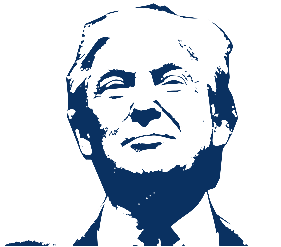
Doug Burgum
Secretary of the Department of the Interior
Doug Burgum, appointed by President Donald Trump as Secretary of the Department of the Interior, has deep ties to the fossil fuel industry. As governor of North Dakota, he forged close relationships with oil magnates like Harold Hamm of Continental Resources, co-hosting industry events and supporting initiatives that benefited companies with which he had financial interests . Burgum has also been a vocal advocate for carbon capture technologies, though his support for eminent domain to facilitate pipeline projects has faced criticism from landowners. Additionally, he signed an executive order renaming the Gulf of Mexico to the "Gulf of America" and reinstating the name "Mount McKinley" for Denali, moves that have been met with controversy. Burgum has also suggested adding Trump's likeness to Mount Rushmore, further aligning himself with the former president's legacy.

Burgum has ties to the fossil fuel industry.
Environmental groups are raising strong concerns over Donald Trump's nomination of North Dakota Governor Doug Burgum as U.S. Interior Secretary. Critics warn that Burgum, with deep ties to the fossil fuel industry, will prioritize oil and gas profits over the protection of public lands and endangered wildlife. Trump also plans to appoint Burgum as chair of a new National Energy Council, aimed at promoting “energy dominance” and artificial intelligence development.
Burgum, whose state is a major oil producer, would oversee national parks, wildlife refuges, and tribal relations if confirmed. Environmental advocates—including the Sierra Club, the Center for Western Priorities, and the Center for Biological Diversity—condemned the pick, citing his history of rolling back environmental protections and alleged involvement in a $1 billion campaign funding scheme tied to fossil fuel executives.
As the Governor of North Dakota, Burgum signed controversial anti-LGBTQ+ laws.
Doug Burgum has come under fire from civil rights groups after signing a series of bills in 2023 that LGBTQ+ advocates have condemned as discriminatory and harmful. The Human Rights Campaign and other organizations have labeled the measures a sweeping attack on LGBTQ+ rights, especially targeting transgender individuals.
Among the most controversial laws is HB 1144, which prohibits transgender individuals from using same-sex bathrooms and showers in a range of state-run facilities, including correctional institutions, domestic violence shelters, and university dormitories.
Burgum signed additional bills that further curtail trans rights by limiting participation in women’s sports exclusively to those assigned female at birth.
Burgum also signed HB 1333, which restricts public performances deemed “adult-oriented,” including drag shows, from being held in places where minors might be present. Opponents have criticized the law as overly broad and an attempt to censor LGBTQ+ expression under the guise of protecting children.
Another widely condemned measure, HB 1254, bans gender-affirming care for minors. Under the law, healthcare providers are barred from prescribing puberty blockers, administering hormone therapies, or performing surgeries for transgender youth. Medical experts and LGBTQ+ organizations have warned that such bans can lead to worsened mental health outcomes for trans teens, including increased rates of depression and suicide.
Perhaps most controversially, HB 1136, a so-called religious freedom bill, includes a "religious refusal" clause that allows individuals and businesses to deny services based on their religious beliefs. Opponents argue the bill paves the way for legal discrimination against LGBTQ+ people under the pretense of protecting religious liberty.
Burgum's stance on abortion has shifted in recent years.
Overturning Roe v. Wade
After the U.S. Supreme Court overturned Roe v. Wade in 2022, North Dakota enacted a near-total abortion ban, allowing the procedure only in cases of rape, incest, or medical emergencies—and only up to six weeks into a pregnancy. After six weeks, even victims of rape or incest were barred from accessing abortions.
Red River Women's Clinic challenged the law
The state's only abortion provider, Red River Women’s Clinic, challenged the law in court. In September, a judge sided with the clinic, ruling that the ban infringed on women’s constitutional rights, including the rights to liberty, safety, and happiness, and violated the rights of crime victims. The state is now appealing that decision to the North Dakota Supreme Court and has requested that the ban remain in effect during the appeal process.
Burgum formerly opposed criminalizing abortion, now he supports a federal abortion ban
Doug Burgum, who previously opposed criminalizing abortion, has since shifted his stance. While he now supports strict abortion laws at the state level, he opposes a federal abortion ban, aligning with Donald Trump’s position. Burgum has defended his change by citing advancements in maternal healthcare and arguing that abortion policy should be determined by individual states.
Burgum's business investments are a conflict of interest.
Burgum retained extensive investments—including urban real estate developments, oil and gas leases, and tech ventures—many of which have directly benefited from state and federal programs he oversaw while governor of North Dakota. Notably, his real estate firm, Kilbourne Group, has profited from tax incentives targeting downtown revitalization in Fargo, a program Burgum helped expand as governor.
Though he pledged to "manage" potential conflicts rather than divest from them when first elected, specifics on how he did so were never disclosed. Now, questions are mounting about how he will handle similar conflicts in the federal role, which wields broad control over public lands, mineral rights, and energy policy.
While Burgum has agreed to divest from certain holdings, including oil and gas leases, he will retain interests in other ventures, such as Fargo real estate, opting instead to recuse himself from decisions that could affect them. The Office of Government Ethics has approved this arrangement, but experts warn it may not eliminate public concerns about impartiality.
During his governorship, Burgum also faced controversy for accepting $37,000 worth of Super Bowl tickets from a utility company, which he later repaid after media coverage prompted backlash. This and other incidents led to the implementation of a general ethics policy, though enforceable disclosure rules only came into effect in 2022 following a statewide ballot initiative.
Doug Burgum signed the secretarial order that renamed the Gulf of Mexico to the Gulf of America.
Doug Burgum played a central role in renaming the Gulf of Mexico to the "Gulf of America," a symbolic move initiated by President Donald Trump. The announcement was made aboard Air Force One on February 9, 2025, as Trump signed a proclamation declaring it Gulf of America Day. The proclamation was met with applause from those on board. Burgum confirmed that he had already signed a secretarial order directing the U.S. Geological Survey to make the name change official, and efforts were underway to update digital maps through services like Google Maps and Apple Maps. Trump, who signed the executive order on his first day back in office, admitted he hadn’t consulted with Mexico about the renaming. “It was our call,” he said. The name change is one of several symbolic acts Trump has planned, including restoring the name Mount McKinley to what had been officially recognized as Denali since 2015.
Burgum suggested adding Trump to Mt. Rushmore
Interior Secretary Doug Burgum recently suggested that there’s “room” to add former President Donald Trump’s face to Mount Rushmore. The comment came during an appearance on Fox News, where Lara Trump—Trump’s daughter-in-law—raised the idea, referencing a proposal by Rep. Anna Paulina Luna to add Trump to the historic monument. Burgum, who oversees the National Park Service, responded with a quip affirming the possibility and highlighted his recent order to bring back fireworks to Mount Rushmore for the 250th anniversary of the Declaration of Independence in 2026—a revival of a plan from Trump’s first term that had been suspended due to wildfire risks. The idea to add Trump’s face is part of a wave of proposals from loyal Republican lawmakers following his re-election, including renaming Washington Dulles International Airport after Trump and placing his likeness on a $250 bill.