USAID and America's Soft Power
Cuts to the United States Agency for International Development (USAID) significantly weaken America's soft power by undermining its ability to lead with diplomacy, humanitarian aid, and development assistance—tools that build goodwill, foster stability, and enhance global influence without military force. USAID programs fund critical health initiatives, including vaccinations, maternal care, and nutrition efforts that save millions of lives, particularly among vulnerable children in impoverished regions. Slashing this funding not only diminishes America's global moral leadership but also directly contributes to the rise in preventable child deaths, as clinics lose support, medicine becomes scarce, and life-saving programs are forced to shut down. These cuts, while politically expedient for some, carry devastating consequences for the world’s most defenseless populations and erode America’s standing as a compassionate and responsible global leader.

Nayib Bukele, President of El Salvador, might have diverted USAID funds to MS-13 as part of a secret deal.
Task Force Vulcan investigated Bukele's negotiations with MS-13.
In April 2025, President Trump and Salvadoran President Nayib Bukele met at the White House to celebrate a controversial agreement in which El Salvador accepted hundreds of deported Venezuelan migrants and MS-13 members. The deal, though praised by Trump for its tough-on-crime optics, came amid a U.S. investigation—led by the Vulcan task force—that uncovered evidence of Bukele’s secret negotiations with MS-13. Investigators found that Bukele’s government allegedly diverted U.S. aid to the gang in exchange for political support and reduced violence. As the investigation progressed, Bukele’s administration obstructed justice by blocking extraditions, harassing cooperating officials, and allegedly facilitating prison escapes for key gang leaders.
Behind the scenes, Bukele's administration offered MS-13 political leverage in exchange for reduced murders and electoral support.
Initially elected on promises to dismantle corruption and gang violence, Bukele's administration appeared to have struck clandestine deals with MS-13 while publicly waging a harsh crackdown on its rank-and-file members. Led by Carlos Marroquín, Bukele’s aides allegedly offered the gang financial benefits, community control, and political leverage in exchange for reduced murders and electoral support—support that may have been partly funded by U.S. aid through community programs. U.S. and Salvadoran prosecutors compiled evidence, including phone intercepts, court documents, and witness accounts, suggesting widespread corruption. But when the Salvadoran attorney general and Supreme Court showed willingness to cooperate with the U.S., Bukele removed them, replacing them with loyalists who quickly blocked further extradition efforts.
Top gang leaders disappeared from Salvadoran prisons after US extradition requests were filed.
Bukele’s government not only shielded senior MS-13 figures but actively undermined U.S. law enforcement partnerships. Former allies in Salvadoran law enforcement who worked with the Vulcan task force were harassed, threatened, and in some cases forced into exile with U.S. assistance. Meanwhile, at least four top gang leaders disappeared from Salvadoran prisons after extradition requests had been filed. U.S. officials suspected deliberate government complicity. As diplomatic tensions mounted, the Biden administration sanctioned Bukele’s top aides and paused formal engagement with El Salvador, while domestically, Bukele declared a state of emergency and arrested thousands—measures that were widely popular in El Salvador despite international human rights concerns.
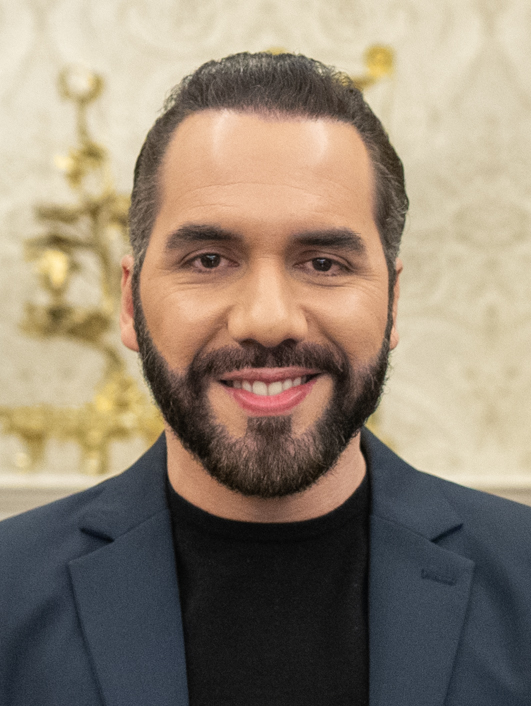
Bukele blocked extraditions, allegedly to prevent them from testifying about the government's secret pact.
Despite the crackdown, Bukele continued to block extraditions of senior MS-13 leaders—allegedly to prevent them from testifying about the government’s secret pact. In 2023, U.S. prosecutors openly accused MS-13 of aiding Bukele’s political rise and demanded non-extradition as part of their deal. With El Salvador refusing to cooperate, the U.S. turned to Mexico for help apprehending gang leaders. However, in early 2025, under Trump’s renewed presidency, Vulcan task force head John Durham dropped charges against two gang members, including one top leader, allowing their return to El Salvador. Though prosecutors had amassed substantial evidence, Durham cited “geopolitical and national security concerns.” The move marked a dramatic reversal: rather than extraditing gang leaders from El Salvador, the U.S. began sending them back—at Bukele’s request and as part of a broader deportation agreement, effectively sidelining years of U.S. anti-gang efforts.
Elon Musk's Unofficial Crusade to Dismantle USAID.
Musk Overseeing Dismantling of USAID
In a controversial and unprecedented move, Elon Musk, acting without any formal government appointment, is reportedly overseeing the dismantling of USAID, America’s primary foreign aid agency. This agency has long been a cornerstone of U.S. diplomacy and soft power, with a significant legacy that includes its role in helping to end apartheid in South Africa. Musk, a South African-born billionaire, is said to be carrying out President Trump’s executive order to shut down USAID, despite the fact that only Congress has the legal authority to eliminate a federal agency. Critics argue that this amounts to an unconstitutional power grab by an unelected individual.
USAID and Apartheid
USAID’s history is especially significant in this context. During the 1980s, the agency became instrumental in supporting the anti-apartheid movement after Congress passed the Comprehensive Anti-Apartheid Act, overriding President Reagan’s veto. This action made clear that USAID’s mission in South Africa was an expression of the American people’s will, and it gave the agency legitimacy in communities that were otherwise skeptical of U.S. involvement. This work laid the foundation for major programs that followed, helping to identify and support the future political and social leadership of a nonracial South Africa.
Musk may be personally hostile towards USAID due to his South African background
Musk has justified his actions by describing USAID as “a ball of worms” that is “beyond repair,” and has already overseen the mass firing of staff and contractors. Critics see these moves not as reform but as sabotage, designed to disable the agency quickly and without the oversight normally required. Some observers question whether Musk’s own background as a white South African might make him personally hostile to an institution like USAID, which worked against the apartheid regime that privileged his family. Steve Bannon, for instance, has suggested Musk’s origins deserve more scrutiny in light of his current influence on American governance.
Reducing US influence abroad
This assault on USAID fits into a broader Trump administration strategy to dismantle global partnerships and international institutions. Past actions include pulling out of the World Health Organization, defunding PEPFAR (a major global health initiative), and now attacking USAID. The administration frames these institutions as promoting values at odds with American interests, but public health experts warn that their loss will increase global instability, elevate disease risk, and reduce U.S. influence—while allowing countries like China to expand their own global reach through foreign aid.
Trump cut 48 grants to UNFPA, United Nations reproductive health and rights agency, lashing funding for maternal health care, rape treatment, and emergency aid in risks zones.
On February 26, 2025, the United States confirmed it would cut $377 million in funding to the United Nations Population Fund (UNFPA), the UN agency dedicated to reproductive and sexual health. This move abruptly ended nearly all of UNFPA’s grants from USAID and the U.S. State Department, including those supporting maternal healthcare, protection from gender-based violence, and lifesaving services in crisis zones such as Gaza, Sudan, Ukraine, and Afghanistan. UNFPA, which operates in 150 countries, aims to end preventable maternal deaths, unmet needs for family planning, and harmful practices like child marriage and female genital mutilation by 2030. The agency warned the cuts will have devastating impacts on vulnerable women and girls. UNFPA has faced previous defunding by U.S. administrations over disputed claims of supporting coercive abortion—allegations repeatedly refuted by independent reviews and the UN. The agency depends entirely on voluntary contributions from governments and other donors.