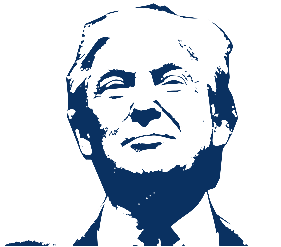
Crypto Corruption
Under the Trump regime, cryptocurrency entered a new era of unprecedented corruption and self-enrichment. During his inauguration weekend, Trump and Melania unveiled the $TRUMP and $MELANIA meme‑coins on the Solana blockchain—projects that rapidly ballooned to market caps in the tens of billions, with 80% of $TRUMP tokens held by the Trump Organization. Meanwhile, Coinbase sponsored Trump’s inauguration parade, and its CEO personally funneled millions into the event—raising fresh questions about influence‑peddling. The spike in crypto activity continued, with Trump’s allies heralding deregulation as a victory, and the Trump‑backed World Liberty Financial raising hundreds of millions—much of it benefiting the family directly. Critics from both parties decried the ventures as ethically dubious “pump‑and‑dump” schemes enabled by presidential power, fueling concerns about foreign interference, national security, and regulatory conflicts of interest.

Trump's Washington D.C. "Dictator Parade" on his birthday was sponsored by Coinbase and Palantir.
Coinbase is facing intense backlash for sponsoring the U.S. Army’s 250th anniversary military parade, which coincided with President Trump’s birthday celebration in Washington, D.C. The crypto exchange’s branding appeared prominently at the event alongside military contractors like Lockheed Martin and Palantir, sparking outrage from within the cryptocurrency community.
Critics argue the move contradicts the core ideals of crypto — decentralization, individual freedom, and resistance to state power — and betrays Coinbase’s previous pledge to remain politically neutral. Many see the sponsorship as part of a broader trend where crypto firms, once anti-establishment, are now aligning with government and corporate interests. This includes Trump’s crypto advocacy and Wall Street giants like BlackRock increasingly investing in the space.
Trump capitalized on his inauguration to scam his supporters out of money in a crypto scheme.
Crypto Inaugural Ball
During Donald Trump’s 2025 inauguration weekend, the Trump family capitalized on crypto hype to amass billions of dollars, raising serious concerns about ethics, regulation, and influence. At the lavish Crypto Inaugural Ball in Washington, D.C., Trump allies and crypto industry leaders celebrated the administration's pro-crypto stance. Trump launched a $TRUMP meme coin on the Solana blockchain, which reached a $14 billion market cap before dropping, with 80% of the supply held by the Trump Organization and its affiliates. A $MELANIA coin followed, peaking at over $2 billion, and the Trump-backed World Liberty Financial project raised $300 million, 75% of which is directed to the Trump family.
Eroding Oversight and Enriching Trump
These events highlighted Trump's pivot to deregulate the crypto industry while profiting personally. His allies, including newly appointed crypto czar David Sacks, declared “the reign of terror against crypto is over.” Major crypto firms like Coinbase, Kraken, and Ripple — all entangled in SEC battles — contributed heavily to Trump’s inauguration and were present at the Ball, joined by GOP leaders such as House Speaker Mike Johnson and Senators Ted Cruz and Cynthia Lummis. The weekend also saw the viral release of a “Trump47” Bitcoin block — a digital image of Trump minted onto the blockchain — symbolizing the fusion of politics, celebrity, and tech hype. Critics, including Mark Cuban and some investors, warned that these moves erode crypto’s credibility and exploit weak oversight, while supporters see them as a step toward making the U.S. a global digital asset leader.
Pam Bondi dodged questions on Trump’s crypto grift and national security concerns associated with it.
During a Senate Appropriations Subcommittee hearing, U.S. Attorney General Pam Bondi repeatedly dodged questions about whether foreign actors holding President Trump's cryptocurrency may be influencing his decisions. Senator Jeff Merkley (D-OR) pressed Bondi on foreign nationals attending fundraising dinners tied to Trump’s crypto ventures and whether this raised national security concerns. Bondi dismissed the line of questioning as offensive and refused to commit to appointing a special investigator, redirecting the conversation to state-level crime instead. Despite her stated concern about foreign influence, Bondi declined to address the specific allegations, frustrating lawmakers seeking accountability.
Proud boy Enrique Tarrio created an app to report immigrants crypto rewards.
The Miami Herald Editorial Board sharply criticized former Proud Boys leader Enrique Tarrio for promoting an app called ICERAID, which incentivizes users to report undocumented immigrants in exchange for cryptocurrency. Recently pardoned by Donald Trump, Tarrio introduced the app at a Miami protest, drawing parallels to Fidel Castro’s surveillance-era Committees for the Defense of the Revolution. The board argues the app encourages dangerous vigilantism disguised as patriotism and likens it to authoritarian tactics many Cuban exiles fled. Though not affiliated with the government, the app aligns with a broader anti-immigrant campaign fueled by the Trump administration. The editorial warns that encouraging citizens to spy on one another undermines democracy and promotes profiling, suspicion, and cruelty.