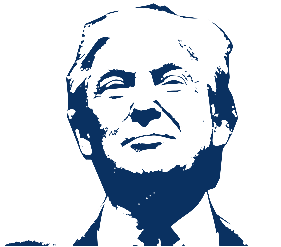
Scott Bessent
Secretary of the Treasury
Scott Bessent, born in 1962, is the U.S. Secretary of the Treasury since 2025 and a former hedge fund manager. He previously worked at Soros Fund Management, where he played key roles in major currency trades, including the 1992 Black Wednesday crisis and a 2013 bet against the Japanese yen. He later founded Key Square Group, a global macro hedge fund.
A top donor and advisor to Donald Trump’s 2024 campaign, Bessent was nominated for Treasury Secretary in November 2024 and confirmed in January 2025. He is the second openly gay person to serve in a U.S. Cabinet and the highest-ranking openly LGBT official in U.S. history due to the Treasury Secretary’s position in the presidential line of succession.

Bessent, a billionaire, worked for Soros Investment.
PDonald Trump picked hedge fund executive Scott Bessent as his Treasury Secretary, despite Bessent’s longtime ties to Democratic megadonor George Soros. Bessent previously worked for Soros Fund Management and helped Soros pull off the legendary 1992 short of the British pound, earning over $1 billion in profit. He later served as Soros’ chief investment officer from 2011 to 2015, before launching his own hedge fund, Key Square, with a $2 billion investment from Soros — a relationship that reportedly ended in personal and professional tension. Despite Soros becoming a Republican target for funding liberal causes and progressive candidates like Manhattan DA Alvin Bragg, who prosecuted Trump, Bessent’s past with Soros was omitted from Trump’s announcement. Trump praised Bessent for his financial acumen, while critics — including Elon Musk — had preferred other candidates. Bessent’s large donations to Trump-aligned political groups and ties to VP-elect JD Vance likely bolstered his selection.
Bessent gave Elon Musk and DOGE access to the Treasury Department’s payment system.
Treasury Secretary Scott Bessent granted Elon Musk and his Department of Government Efficiency team access to the federal payment system, giving them a powerful tool to monitor and potentially limit government spending. The move followed a standoff with career Treasury official David Lebryk, who resisted the access; Lebryk was placed on leave and abruptly retired the same day. The payment system controls disbursements across the entire federal government, and its use by Musk’s team could allow the Trump administration to block or delay funds already approved by Congress, despite past legal challenges to similar efforts. Musk, empowered by President Trump to cut federal spending, has recently criticized Treasury for not rejecting more payments as improper.
Bessent is the acting director of the Consumer Financial Protection Bureau, then ordered the agency to halt all work.
Halt all work
Treasury Secretary Scott Bessent has been named acting director of the Consumer Financial Protection Bureau (CFPB) by President Trump. In one of his first actions, Bessent ordered CFPB staff to halt most agency work, including rulemaking, enforcement actions, and public communications, unless explicitly approved by him or required by law. This abrupt pause affects ongoing cases against major corporations like Capital One, Walmart, and Zelle.
Undermining Consumer Protections
Bessent, a billionaire hedge fund manager known for his pro-business stance, says he will use the CFPB to support Trump’s agenda of lowering costs and boosting economic growth. Critics, including Sen. Elizabeth Warren, condemned the move as undermining consumer protections, while banking groups welcomed the shift. Consumer advocates warn the decision could signal the dismantling of core financial safeguards established after the 2008 crisis.
Bessent’s policies are detrimental to climate protections.
Critics pointed to Bessent’s record and proposals that include rolling back consumer protections, ignoring climate-related financial risks, sidelining clean energy, promoting fossil fuel interests, and turning a blind eye to crypto-related crime. Groups like the Sierra Club, Public Citizen, and the Revolving Door Project warned that confirming Bessent would entrench policies that exacerbate climate-related financial crises, threaten mortgage markets, and prioritize corporate profits over public welfare.
Environmental advocates labeled Bessent a “climate arsonist,” citing his fossil fuel investments and opposition to responsible investing. They argue his leadership would undermine global climate progress and destabilize the economy, while pushing policies that benefit oil, gas, and crypto interests at the cost of American households.
Bessent gave Elon Musk a black eye after a physical altercation in the White House.
Failure to deliver federal spending cuts
During Elon Musk's controversial tenure leading the Department of Government Efficiency (DOGE), he and Treasury Secretary Scott Bessent got into a physical altercation, according to Steve Bannon. The clash allegedly happened after Bessent confronted Musk over his failure to deliver on $1 trillion in promised federal spending cuts, accusing him of falling drastically short.
Decline of Musk's influence
According to Bannon, Musk reacted by shoving Bessent, sparking a tense moment in the White House corridors. Bessent later punched Musk, resulting in the black eye Musk displayed at a press conference — though Musk publicly claimed it was from play-wrestling with his son.
The confrontation marked a turning point. President Trump backed Bessent, and Musk’s influence quickly declined. His access to sensitive briefings was revoked, and White House insiders began distancing themselves, citing concerns about Musk’s performance, unverified drug use allegations, and unfulfilled promises.